
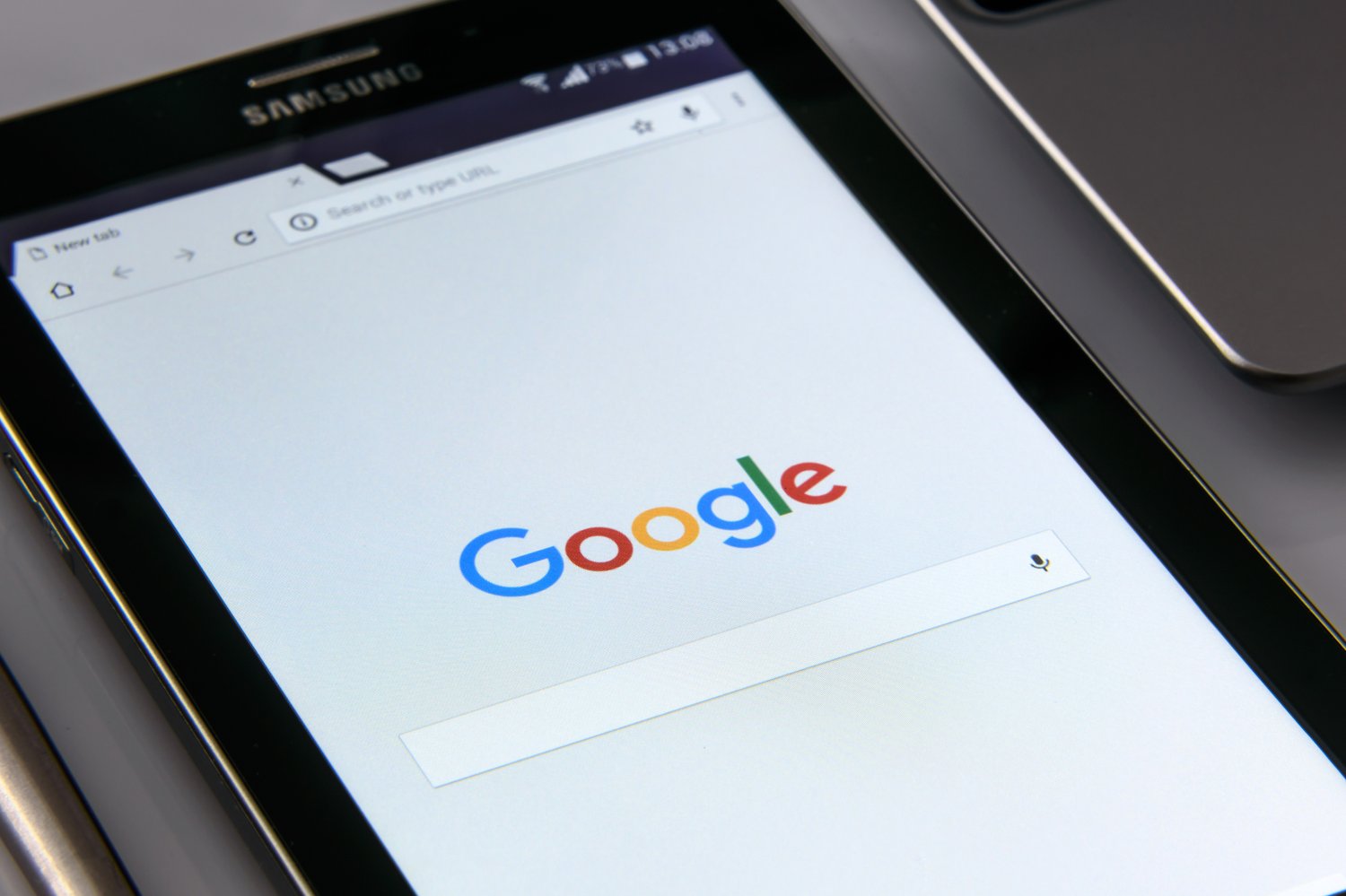

You've got 20 seconds before a meeting starts. Someone drops a link in the chat. Your inbox is screaming. Your brain is already on the next task. And your browser is sitting there with one quiet prompt: search google or type a url.
That little line looks harmless, but it's basically a fork in the road. One route takes you straight to the place you already trust. The other throws you into the wild, where the first result might be perfect, or a perfect-looking trap. In 2026, that choice matters more than most people think, especially if you run a business, manage a team, or care about online security.
What "Search Google Or Type A Url” Actually Means
In Chrome, the address bar is also a search bar. Google calls it the omnibox, because it does more than hold web addresses. You can'type a full website address, or you can'type normal words and let your default search engine handle it. Google's own Chrome Help spells out that you can search the web from the address bar, and you can change the default search engine.
Other browsers work the same way. Microsoft Edge lets you change the search engine used in the address bar. Firefox lets you manage search settings and control how searching works from the address bar. On Apple devices, Safari uses a default search engine too, and Apple's guides explain how to change it on iPhone, iPad, and Mac.
So when you see "search google or type a url”, it's not asking you to pick a side. It's telling you the bar can read both kinds of intent.
Why Businesses Should Care About This Tiny Choice
If your staff regularly "search google or type a url” for internal tools, supplier portals, or invoice systems, one mistyped character or one convincing sponsored result can lead to stolen logins or a malware download. Chrome even notes that unexpected search engine changes can be a sign of malware.
On the marketing side, the same prompt shapes discovery. If your customers always search instead of typing your website, your brand lives or dies in the results page. That affects your reviews, your listings, and whether your official site is easy to spot.
A Simple Way To Choose, Without Overthinking It
Instead of "search versus type”, think in three questions.
How sure are you about the destination? How bad would it be if you land on the wrong page? And how rushed are you right now?
When the consequence is high, like a payment system or a staff portal, treat "type a url” as the default. When the consequence is low, like looking up a definition or browsing ideas, search is fine.
The safest browsing habits are not about being clever. They're about matching your method to the risk.
When Typing A URL Is The Smarter Move
Typing a URL is a power move when certainty matters.
If you are logging into anything that touches money, customer data, payroll, or contracts, you want the correct domain every time. Bookmarks help because they remove spelling errors and reduce the odds of landing on a lookalike domain.
Typing also makes sense when you are going to a specific page you use often, like a dashboard or a helpdesk portal. The "search google or type a url” prompt is giving you permission to skip the detour.
There's also a brand angle. Direct navigation is the closest thing the internet has to muscle memory. If someone types your domain without thinking, you've become the default in their mind.
When Searching Is The Better Move
Searching is perfect for discovery, and discovery is how most business decisions start.
If you are looking for a supplier, a regulation update, a tutorial, or a definition, search beats guessing a URL. It is how you find the official source, the niche guide, and the thread where someone already solved your problem.
Searching is also useful when your memory is fuzzy. Maybe the brand has multiple sit's. Maybe the country version matters. Maybe you only remember half the name. Search helps you'recover quickly.
The risk is not the act of searching. The risk is what you click next.
The Click That Gets People Into Trouble
Most scams don't look like scams anymore. They look like "the normal page, but slightly”.
This is where teams get caught, especially finance and HR. They search for a portal, click a result that looks right, land on a login page that looks identical, then type credentials.
One boring habit reduces the risk: pause before you type. Look at the domain. Not the logo, not the colours, not the layout. The domain.
Also be careful with "top results” that are actually ads. Ads are not automatically bad, but scammers love them because they can buy visibility for a short window.
What The Omnibox Is Doing Behind The Scenes
When you type into that bar, the browser tries to guess your intent.
If you type something that looks like a web address, it attempts to navigate there. If you type normal words, it routes it to your default search engine. Chrome explicitly describes the address bar as a place you can use to search the web.
It also suggests completions based on your history and bookmarks, which is why a familiar site can appear after only a few letters. And yes, it can handle quick tasks like simple calculations or conversions, so you don't need a new tab for every tiny question.
Chrome also allows site search shortcuts, which means you can'type a short trigger and search a specific site from the address bar. Google's documentation covers how these shortcuts work and how they can be managed. For a business, this is more useful than it'sounds. It lets teams search an internal knowledge base, a ticketing system, or a supplier portal in a consistent way, without relying on memory.
How To Control What Happens When You "Search Google Or Type A Url”
If you manage a business, you do not need everyone using the same browser. You do need everyone understanding their settings.
In Chrome, you can set your default search engine and manage site search shortcuts. Google's help documentation covers both.
In Microsoft Edge, Microsoft's support guide explains how to change the default search engine used in the address bar through settings.
In Firefox, Mozilla's support pages explain how to manage default search settings and how searching from the address bar works.
On Apple devices, Apple's user guides show how to change your default search engine on iPhone and iPad, and how to change search settings in Safari on Mac.
The goal is consistency. When a team knows what happens when they type in the bar, they make fewer panic clicks.
Make The New Tab Page Work For Your Team
A lot of "search google or type a url” behaviour starts on a blank new tab. If the first thing employees see is nothing but a search box, they will search for everything, including things they should never search for.
Chrome lets you customise parts of the New Tab page, including which shortcuts appear and whether shortcuts are shown at all. For a business, that is a quiet productivity win. If your team's most-used tools are one click away, fewer people will improvise with risky searches when they're under pressure.
A Practical "Company-Safe” Browsing Habit That Actually Sticks
Most training fails because it's too abstract. People remember stories, not rules.
So here's a simple story you can repeat internally. If you are logging in, you type. If you are learning, you search. If you are paying, you slow down.
That's it. That's the habit.
If you want to take it one step further, make the right destination easier than the wrong one. Use single sign-on where possible, keep a shared "start here” page for staff tools, and encourage bookmarking for anything that involves approvals, payments, or sensitive data. You're not trying to police browsing. You're trying to reduce the number of times someone has to make a high-risk decision while stressed.
The Marketing Side: What This Behaviour Says About Your Brand
When someone sees "search google or type a url”, they are revealing something about trust and memory.
Typing a URL usually means they already know you, or someone told them your exact site, or your brand is familiar enough to be typed. Searching usually means they are still deciding, or they don't trust they'll remember your exact address.
If you want more people typing your domain, make it easy to say, easy to spell, and consistent everywhere. If your name is tricky, secure common misspellings and redirect them. If your campaign link is long, give it a shorter, cleaner home that'still sits on your domain.
If you want to win the search moment, match the words buyers actually use, then answer the question cleanly. When someone searches your brand name, the result page'should not feel messy. Your official site and your official listings should be obvious.
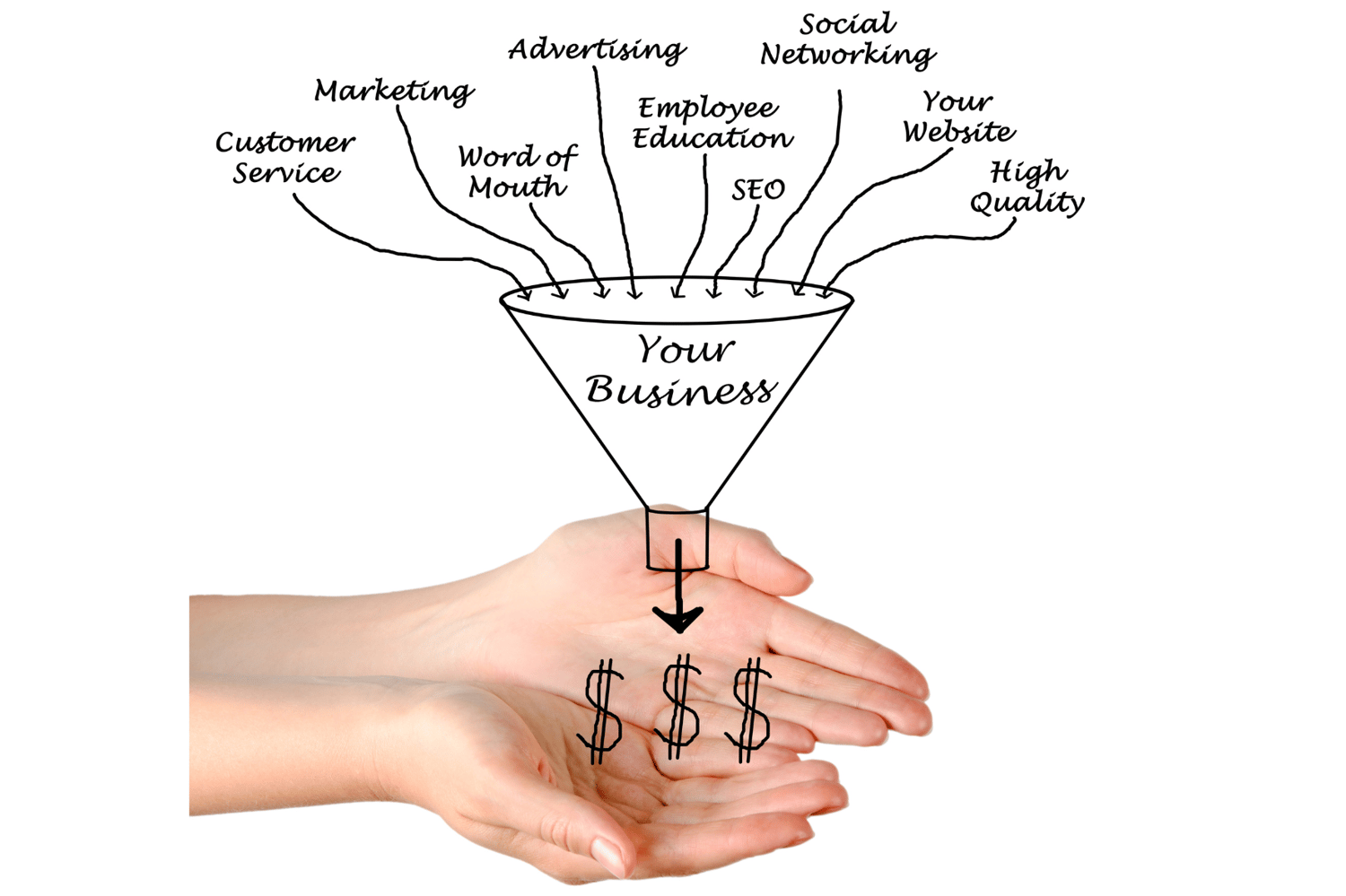
This is where many business's slip. They invest in awareness, but they forget the "verification moment”. People search right before they trust. They search your company name to check if you're real, to see if anyone is complaining, to confirm a phone number, to read a review, or to find your address. If those details are inconsistent across platforms, trust leaks out of the funnel.
The fix is not complicated, but it is disciplined. Keep your business name, address, and phone details consistent wherever your brand appears. Make sure your homepage clearly says what you do in plain language. Make sure your contact page is not hidden, and that it matches your listings. These are simple moves, but they prevent the kind of confusion that makes people bounce back to Google and click a competitor.
Bringing It Together - Search Google or Type a URL
"Search google or type a url” is not a philosophical question. It's a daily habit.
Use it well and you get speed, clarity, and fewer mistakes. Use it badly and you get wasted time and avoidable risk.
For business's, the win is both sides of the journey. Be easy to find when people'search. Be easy to remember when they're ready to type.
FAQs: Search Google or Type a URL
What does "search google or type a url” mean?
It's the browser telling you the address bar can do two jobs. You can'type search terms, or you can'type a website address and go straight there. Chrome refers to the address bar as the omnibox and explains that it can be used to search the web.
Should my staff search Google or type a URL for work tools?
For logins and internal tools, typing the exact URL or using a bookmark is usually safer. Searching is fine for research, but it is easier to click a lookalike result when you are rushed.
How do I change the search engine used when I "search google or type a url”?
It depends on the browser. Chrome, Edge, Firefox, and Safari all allow you to change your default search engine in settings, and their official support pages show the steps.
Why does my search engine change on its own?
Sometimes it's just a setting change, but unexpected changes can be caused by unwanted software. Chrome's help documentation notes that unexpected search engine changes can be linked to malware.
Is it faster to search or to type a URL?
Typing is faster when you know exactly where you're going, especially if the site autocompletes from your history. Searching is faster when you're not sure of the address, or you're still exploring options.
For marketing, is it better when customers search or type my URL?
Both are useful. Search brings new people in. Direct URL visits usually signal brand familiarity and repeat behaviour. The best brands win both moments.



















Comments (0)